Gear
The CDJ-3000 in the Club: What the booth standard actually does for your set


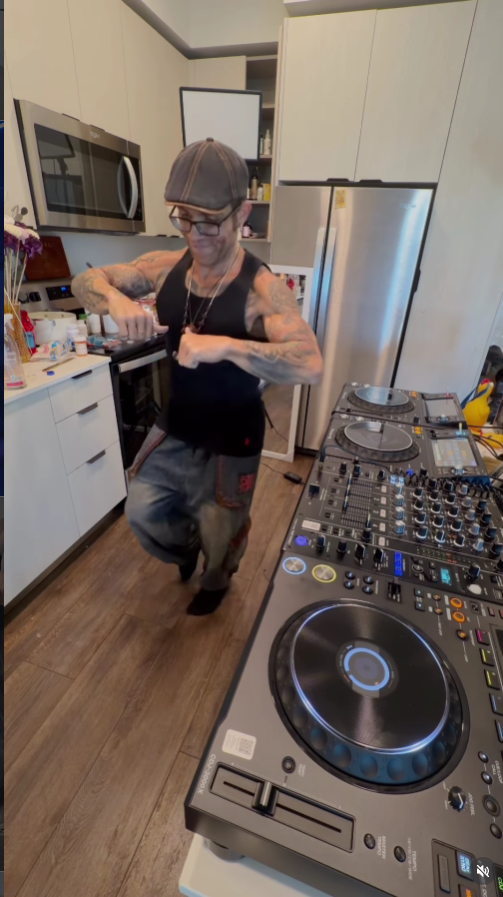
Walk into most club booths worldwide and you will find a pair of CDJ-3000 players — the flagship deck that defined the 2020s Pioneer / AlphaTheta standard. Knowing what the unit actually offers matters more than owning one: if you can drive a 3000, you can drive almost any modern booth.
Why the CDJ-3000 became the default
The CDJ-3000 sits in the lineage of club multi-players that replaced CD-only decks: USB (and later SSD) media, rekordbox-analyzed libraries, Pro DJ LINK networking, and a large touchscreen for browsing waveforms and playlists. It is designed for reliability first — firmware updates, dual USB ports for backups, and a jog wheel built for night-after-night use.
- Touchscreen browsing with stacked waveforms and related tracks
- Hot Cues, Beat Jump, and looping tools locked to the beat grid
- Pro DJ LINK for shared libraries and beat sync across units
- USB media workflow that matches how most venues prepare the booth
Features that change how you mix
Hot Cues let you jump to rehearsed moments — drops, vocal entries, breakdowns — instead of scrubbing in the dark. 8-Beat Loop and related loop tools keep a groove alive while you search. Beat Jump moves the playhead in musical steps so you can rearrange phrasing without killing the dancefloor.
None of that replaces track selection. It just makes intentional moves safer when the room is loud and the lights are low.
From CDJ-3000 to CDJ-3000X
AlphaTheta's next-generation flagship, the CDJ-3000X, inherits the 3000's performance language and pushes connectivity further: built-in Wi-Fi, cloud / streaming workflows (including services such as Beatport Streaming where supported), a larger high-resolution touchscreen, and refined jog tension and audio design. If you learn on a 3000, the 3000X should feel like an evolution — not a new religion.
What to practice before a club gig
- Load a USB the venue can read — FAT32 / exFAT as recommended in current rekordbox docs
- Verify beat grids on every track you might play; bad grids break Quantize and Beat Sync
- Set Hot Cues consistently (e.g. Cue 1 = intro start, Cue 2 = drop)
- Practice searching and loading with only one ear in the headphones
- Know how to disable Sync if a guest or resident prefers fully manual mixing
The CDJ-3000 is not magic — it is a reliable interface between your preparation and the floor. Master the preparation, and the booth feels smaller.