DJ Skills
Quantization vs Sync: What every DJ needs to know


If you've spent any time around DJs, you've probably heard heated debates about Sync and Quantization. Some DJs swear by them. Others avoid them entirely. The truth is that both are powerful tools, and understanding how they work can make you a better performer regardless of your experience level.
The biggest misconception is that Sync and Quantization are the same thing. They are not.
Let's break it down.
What Is Sync?
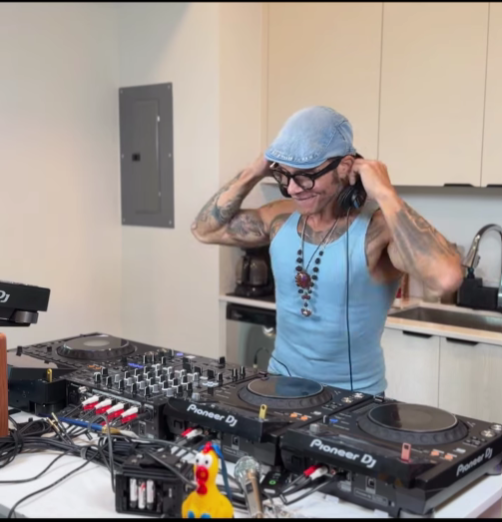
Sync is a feature found on most modern DJ systems, including Pioneer CDJs, Rekordbox, Serato, Traktor, and many DJ controllers.
When you press the Sync button, the software automatically matches the tempo (BPM) of one track to another. Depending on the system, it may also align the beat grid so the kicks and snares line up.
Think of Sync as an automatic tempo-matching assistant.
Without Sync, DJs traditionally use their ears and pitch faders to manually match tempos. This process, known as beatmatching, has been a foundational DJ skill for decades.
What Sync Does
- Matches BPM between tracks
- Aligns beat grids
- Reduces manual beatmatching work
- Allows DJs to focus on creativity and performance
What Sync Does Not Do
- Choose the right track
- Fix poor song selection
- Build energy in a set
- Create emotional moments
- Read the crowd
A DJ who uses Sync still needs musical knowledge, timing, and taste.
What Is Quantization?
Quantization is completely different.
Quantization ensures that certain actions happen exactly on the beat according to the track's beat grid.
For example, when you trigger:
- Hot Cues
- Loops
- Samples
- Effects
- Performance Pads
Quantization can automatically move that action to the nearest beat or subdivision.
If you accidentally hit a Hot Cue slightly early, Quantization can correct the timing and launch it perfectly on beat.
Think of Quantization as a timing correction system.
What Quantization Does
- Keeps loops perfectly aligned
- Ensures Hot Cues trigger on beat
- Helps samples stay rhythmically locked
- Makes live performance more accurate
What Quantization Does Not Do
- Match BPM
- Beatmatch tracks
- Fix poor preparation
- Correct a bad beat grid
Quantization in Pioneer DJ Equipment
On Pioneer DJ players and mixers, Quantize is commonly used with:
- Hot Cues
- Beat Loops
- Slip Loops
- Beat Effects
- DJS-1000 Samples
When Quantize is enabled, actions lock to the beat grid created in Rekordbox.
This is why accurate beat grids are critical. If the grid is wrong, Quantization will faithfully follow the wrong information.
Garbage in, garbage out.

Sync vs Quantization
A simple way to remember the difference:
Sync controls tempo.
Quantization controls timing.
Sync answers:
“How fast should this track play?”
Quantization answers:
“When exactly should this action happen?”
Both can be used together, but they solve completely different problems.
Why Professional DJs Use Both
Many people assume professional DJs never use Sync or Quantization.
In reality, many world-class performers use technology to increase reliability and creative freedom.
When performing on three or four decks, triggering samples, running drum machines, or using devices like the Pioneer DJS-1000, maintaining perfect timing becomes increasingly difficult.
Tools like Sync and Quantization allow artists to focus on:
- Crowd interaction
- Creative layering
- Live remixing
- Effects performance
- Storytelling through music
The audience remembers how the set made them feel, not whether a BPM was matched manually.
Should Beginners Learn Without Sync?
There is value in learning traditional beatmatching.
Understanding tempo drift, phrasing, and rhythm develops a deeper connection with the music.
Many experienced DJs recommend learning to beatmatch manually before relying heavily on Sync.
Why?
Because technology can fail.
A corrupted beat grid, an improperly analyzed track, or unfamiliar equipment can quickly expose weaknesses.
Learning the fundamentals gives you confidence in any booth.
Final Thoughts
Sync and Quantization are tools, not shortcuts.
Sync helps tracks play at the same tempo.
Quantization helps actions happen at the correct moment.
Neither replaces musical taste, crowd reading, track selection, or creativity.
The best DJs understand the technology available to them and use it intentionally.
Whether you perform entirely by ear or embrace every modern feature available, the goal remains the same:
Create moments people remember long after the music stops.